Confused between retractable awning and fixed awning? This guide explains which awning works better for Indian weather, homes, and outdoor spaces.
When it comes to shading balconies, terraces, windows, or outdoor seating areas, awnings are one of the simplest and most effective solutions. But homeowners in India often get stuck between two options: Retractable Awning and Fixed Awning.
Both serve the same basic purpose—protection from sun and rain—but they behave very differently in real-life use. So which one actually makes more sense for Indian homes? Let’s break it down in a practical, easy-to-understand way.
Understanding the Basics
What Is a Fixed Awning?
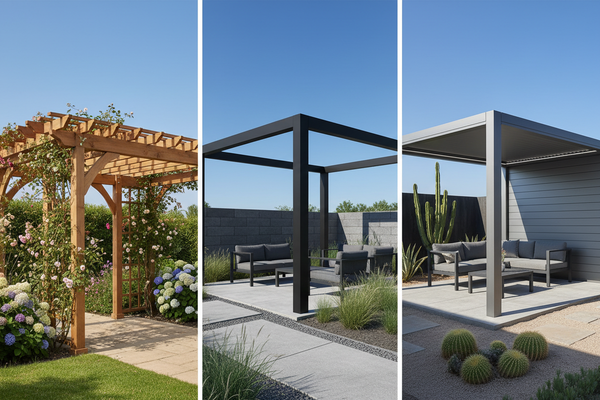
A Fixed Awning is a permanent structure installed over a window, balcony, or outdoor area. It stays in one position throughout the year and provides continuous shade and rain protection.
What Is a Retractable Awning?
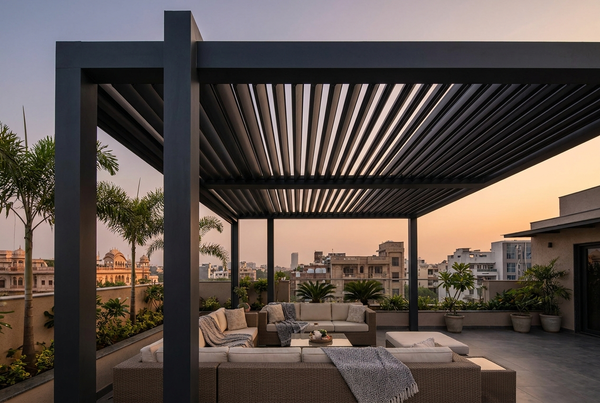
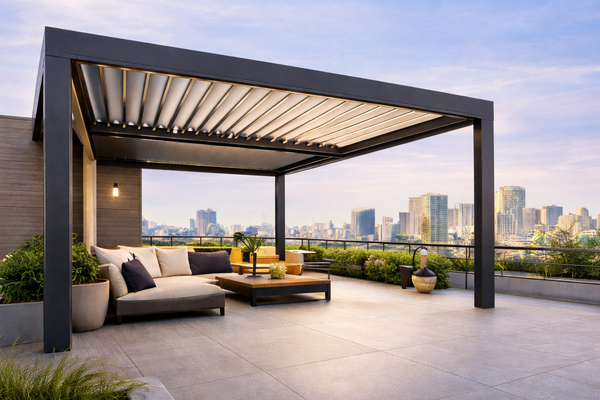
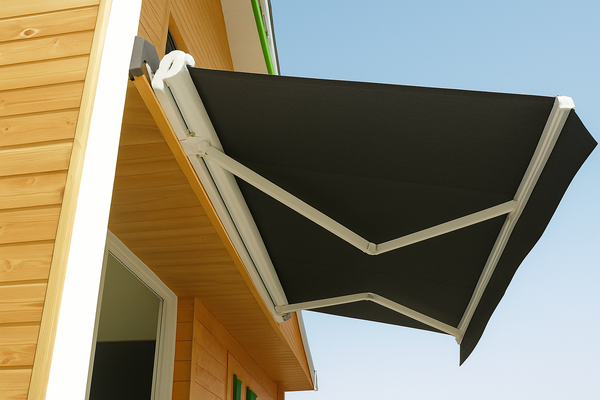
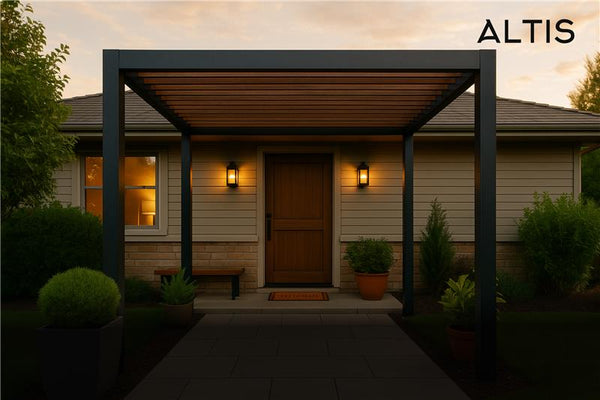
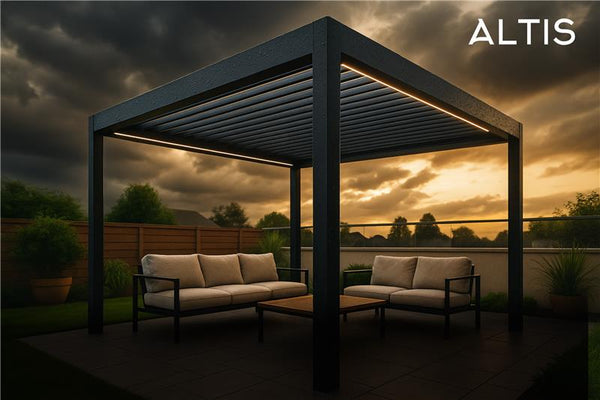
A Retractable Awning can be opened or closed as needed. It can be operated manually or motorized, allowing homeowners to enjoy open sky when the weather is pleasant and shade when it’s harsh.
Indian Climate: The Biggest Deciding Factor
India experiences extreme weather variations—intense sunlight, heavy monsoon rains, dust storms, and humidity. This makes flexibility a major advantage.
-
During peak summers, shade is essential
-
In winters, sunlight is welcome
-
During monsoons, sudden rain needs quick protection
This is where the difference between Retractable Awning and Fixed Awning becomes very clear.
Retractable Awning: Pros and Cons
Advantages of a Retractable Awning
-
Flexible usage – Open it when you want sunlight, close it when you need shade
-
Better light control – Ideal for balconies and living spaces
-
Modern aesthetics – Clean and contemporary look
-
Weather adaptability – Can be retracted during storms or high winds
-
Manual and motorized options available
Limitations of a Retractable Awning
-
Higher initial cost compared to fixed awnings
-
Requires proper installation and occasional maintenance
Fixed Awning: Pros and Cons
Advantages of a Fixed Awning
-
Lower cost upfront
-
Always-on protection from sun and rain
-
Simple structure with minimal moving parts
Limitations of a Fixed Awning
-
No flexibility—blocks sunlight even when not needed
-
Can make spaces feel dark or enclosed
-
Constant exposure leads to faster wear and fading
-
Not ideal for changing seasonal needs
Aesthetic Impact on Indian Homes
Awnings are not just functional—they affect how your home looks.
-
Fixed Awnings often feel bulky and permanent
-
Retractable Awnings blend better with modern Indian architecture and apartments
For homeowners focusing on clean design and premium outdoor spaces, retractable systems usually win.
Maintenance and Longevity
-
Fixed awnings are always exposed to sun, rain, and pollution, which can shorten their lifespan
-
Retractable awnings can be folded away when not in use, increasing fabric life and overall durability
Over time, this can make a Retractable Awning more cost-effective, despite the higher initial investment.
Cost Comparison: What Should You Expect?
-
Fixed Awning: Lower upfront cost, limited long-term flexibility
-
Retractable Awning: Higher initial cost, better usability, longer life
For Indian homes planning long-term use, retractable awnings often offer better value.
Which Awning Is Better for Indian Homes?
Here’s a simple rule of thumb:
-
Choose a Fixed Awning if you want a basic, budget-friendly shade solution with no need for flexibility
-
Choose a Retractable Awning if you want comfort, control, modern design, and adaptability to India’s changing weather
Most urban Indian homes today benefit more from Retractable Awnings, especially for terraces, balconies, and outdoor seating areas.
Final Thoughts
There’s no one-size-fits-all answer, but when comparing Retractable Awning vs Fixed Awning, flexibility and comfort make a big difference—especially in Indian conditions.
If you value control over sunlight, better aesthetics, and long-term usability, a Retractable Awning is often the smarter choice for Indian homes.